Caring for older people in hot weather
- 20 Feb 2024

As the mercury rises and summer heat waves become more frequent, it’s crucial to pay special attention the well-being of our older population. Frail elderly people are particularly vulnerable to extreme temperatures and proper care can make a significant difference in their health and safety.
Read on for some tips on how to keep cool in hot weather.
Stay hydrated
One of the most critical aspects of caring for older people during hot weather is ensuring proper hydration. Dehydration can lead to serious health complications, so encourage seniors to drink plenty of water. Remind them to keep sipping water throughout the day, even if they don’t feel thirsty. Avoid caffeinated or alcoholic beverages which can worsen dehydration. Consider offering water-based fruits as snacks, for example, watermelon, cucumber and strawberries.
Stay cool
Maintain a cool living environment. Consider air conditioning (and make sure the unit is functioning correctly). Fans can also help circulate air and provide relief.
Use a cool, wet cloth to wipe arms and necks. Soaking feet in a bowl of cool water can also help regulate body temperature. Consider a trip to an air-conditioned venue, such as shopping centres, libraries and movie theatres, or contact your local council for information about Seniors Centres in your area.
Dress appropriately
Choose lightweight, breathable clothing made from natural fabrics. Light colours help reflect sunlight and keep the body cooler. Encourage seniors to wear wide-brimmed hats and sunglasses when outdoors.
Regular check-ins
Older people living alone are at higher risk, especially if they lack frequent contact with others. Regular check-ins by family, friends or care givers are essential. Ensure they have access to a phone or emergency alert system.
Recognise signs of heat-related illness
The signs of heat exhaustion and heat stroke include:
- Excessive sweating
- Weakness and fatigue
- Dizziness
- Confusion
- Nausea
Call triple zero (if living in Australia) in case of a medical emergency requiring ambulance support.
For non-life-threatening situations, Victorian residents can contact Nurse-On-Call for free professional health advice over the phone. Call 1300 60 60 24 to speak with a registered nurse about health-related questions and concerns. This service is available 24 hours a day, 7 days a week.
Limit outdoor activities during peak heat
Encourage seniors to stay indoors during the hottest part of the day (usually between 10am and 4pm). If they do need to go outside, encourage them to seek shade and take regular breaks from physical activity.
Protect with sunscreen
Sunscreen isn’t just for days at the beach. Older adults should apply sunscreen with an SPF of at least 30 before going outside. Sunburn can exacerbate heat-related stress.
Medication awareness
Certain medications can affect how the body responds to heat. Some diuretics, sedatives, tranquilisers and heart and high blood pressure medicines can make it hard for the body to cool itself on hot days. People on these medications may require more frequent check-ins to ensure they are staying cool in the heat.
Remind seniors to take their medication as prescribed and store them appropriately, away from the heat to avoid degradation.
Remember, extreme heat can lead to hospitalisation and even death for older individuals. By following these guidelines, we can help keep our seniors safe and comfortable during hot weather.
Community news
-

BaptistCare team member recognised at Tasmanian Disability Awards
Jonty Roberts has been recognised for making a meaningful difference in the community, taking home the Local Area Coordinator of the Year award at the 2026 Tasmanian Disability Awards.
- 24 Sep 2026
-
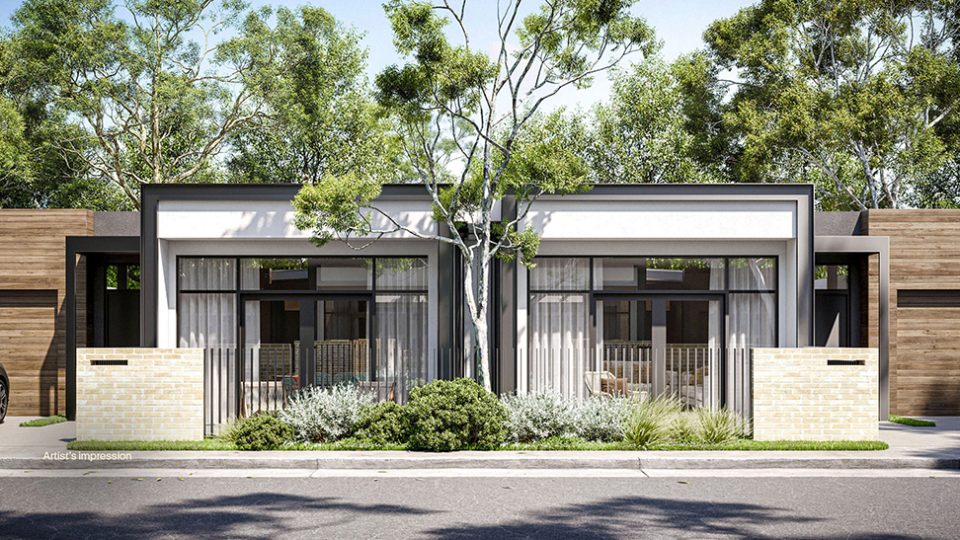
At Peninsula View, a retirement community sitting proudly at the gateway of the Mornington Peninsula, that quality detailing is no accident. Fifty-seven new two and three-bedroom villas are currently under construction, adding to the existing community - the result of years of design thinking from an architectural team with a long history with building retirement communities across Australia’s east coast.
- 07 Sep 2026