Starting school with a developmental delay or disability | What parents and carers need to know
- 21 Jan 2026
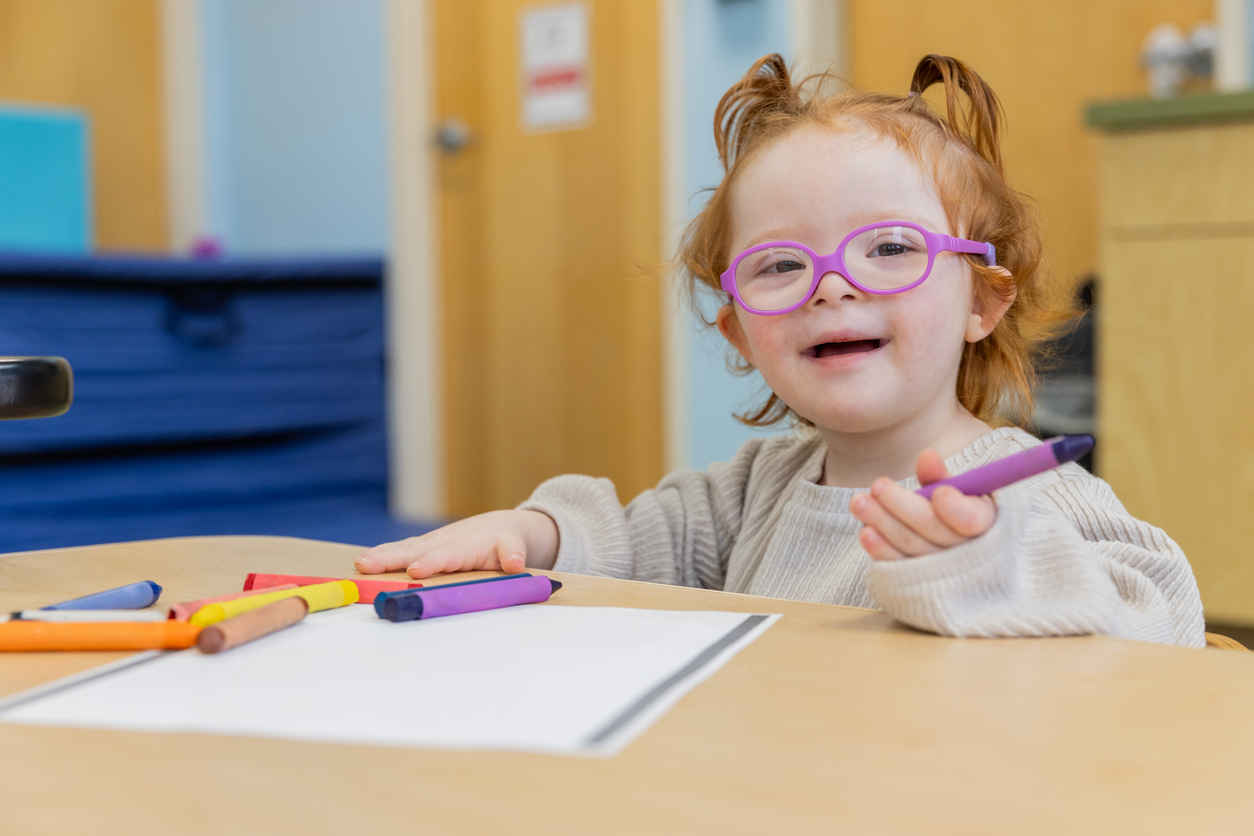
Starting primary school is a major milestone for every child. For families of children with disability or developmental delays, it can bring extra questions and emotions. With the right support, this transition can be a positive and empowering experience.
While Baptcare provides early childhood support services in Tasmania, the guidance in our blog is designed to support families throughout Australia who are preparing their child with disability for school.
At Baptcare, we support families through the NDIS Early Childhood Approach. Our goal is to help you feel in control of your journey, connected to a community of care and confident that each day brings new progress.
Here’s our top tips to help get you and your child ready on the school journey.
1. Start planning early
Begin preparing 6-12 months before school starts. This gives you time to:
- Visit schools and meet with principals and teaching staff.
- Ask about their experience with inclusive education, including any assistive technology your child may need.
- Identify any supports available from your child’s pre-school/kinder to support a smooth transition to primary school.
- Understand enrolment processes and required documentation.
“The earlier you start, the more time you have to ask questions, meet teaching staff and understand how the school will support your child,” says Danie Miller, Baptcare’s Partner in the Community Operations Lead. “It’s about finding the right fit and making sure the supports are in place from day one.”
2. Know your child’s rights
Every child in Australia has the right to attend their local school and receive reasonable adjustments. Ask schools how they support inclusion and whether they offer:
- Individual Learning Plans (ILPs)
- classroom aides or specialist staff, including a Disability Coordinator. Request a meeting with them to discuss your child’s needs.
- sensory-friendly environments.
Knowing that your chosen school will create a supportive experience helps your child feel safe, valued and part of a wider community of care.
3. Build a Transition Plan
A personalised school transition plan can ease anxiety and set your child up for success. It might include:
- Short school visits before the year begins – to assess whether the physical environment (e.g. playground, terrain, and bathroom facilities) meets your child’s needs.
- Simple ways to help your child feel calm, for example, soothing movements or sounds.
- Step-by-step prompts that help maintain attention and interest.
“A well-planned transition plan for your child helps them understand what to expect and gives the teaching staff the right tools to help your child feel safe and ready to learn,” says Danie. ‘After all, you are the expert on your child – trust your knowledge and advocate for what you know they need.”
4. Support emotional readiness
Help your child feel confident about starting school by:
- Talking about what to expect and practising the morning routine.
- Visiting the school together.
- Reading books about school/packing a lunchbox together.
- Using play-based activities to help your child feel more comfortable with the transition. It’s a good idea to build some fun and excitement around starting school.
These small steps build confidence and help your child see school as a place where familiar routines happen, and new challenges can be met with a sense of safety and capability.
5. Connect with a community of support
Remember to look after your own wellbeing. Transitions can be emotional – consider whether you require additional emotional or professional support to feel ready for this change. Reach out to other families, local parent groups or your early childhood provider for support.
“Connecting with other families who’ve been through it can be a source of valuable insight and reassurance,” explains Danie. ‘Without a doubt, families are going to have questions – starting school is a big step for any child and for families of children with disability, having access to that community of care can make a big difference.”
How Baptcare can help
Baptcare’s Early Childhood program in Tasmania supports families of children experiencing developmental concerns with or without a diagnosis. We work with you to create an individualised early supports program tailored to your child and family.
Our qualified Coordinators deliver programs in natural environments such as home, school, or other locations. We can also assist with school conversations and help develop transition plans that make starting school a positive experience.
To find out more or discuss your child’s transition, call the Baptcare Early Childhood team on 1800 960 595.
Community news
-

How to talk to a loved one about moving into aged care
One of the most challenging conversations we may have with our loved one is about whether it’s time to consider moving into residential aged care. Whether it’s a parent, grandparent, or partner, the topic can stir feelings of resistance and guilt. But when approached with empathy, patience and deep respect for the individual’s wishes, this conversation can become a meaningful step toward greater safety, comfort and connection.
- 18 Feb 2026
-

Hawthorn stars bring footy fun to Abbey Gardens
There was no mistaking the colours at Abbey Gardens Residential Aged Care Community in Warragul this week – brown and gold as far as the eye could see. Residents and staff donned their finest Hawthorn Football Club gear as players and support staff arrived for a visit, chatting with residents, signing autographs and bringing plenty of footy fun.
- 18 Feb 2026
-
Dressmaker, traveller, Bulldogs fan and volunteer – Thelma turns 100!
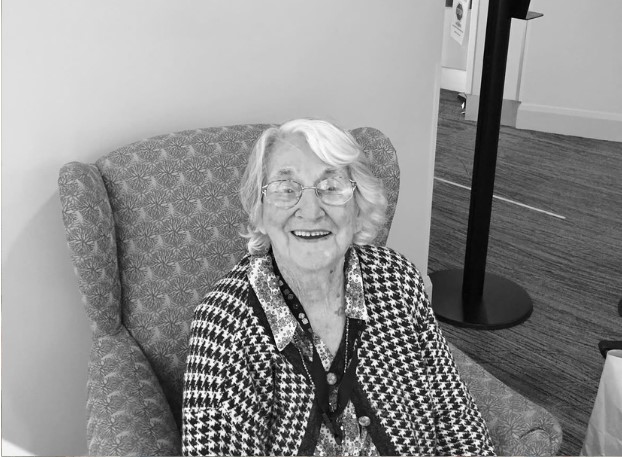
Thelma Powell, beloved resident and former volunteer at Westhaven, turned 100 on 9th February 2026 with balloons, party hats, and cake! Surrounded by her family, care team, the local MP, and Mayor, as well as a representative from her beloved footy team, the Bulldogs, it was a day to remember.
- 13 Feb 2026