What is the difference between an asylum seeker and a refugee?
- 23 Jun 2022
Turn on the news or pick up your favourite newspaper and you’ll probably hear or read something about refugees and asylum seekers. It’s easy to think of these two terms as the same – but they are very different by definition.
At BaptistCare Sanctuary, our work is focused on helping people seeking asylum. We provide supported transitional accommodation to ensure safety, opportunity and a fair go for those seeking asylum.
What is a person seeking asylum?
A person seeking asylum is someone who has fled their own country to seek international protection as a refugee.
Reasons why a person may leave their own country include persecution, a fear of violence and/or human rights violations. Everyone’s story is different.
A person seeking asylum asks for protection while their claim for refugee status is being assessed.
What is a refugee?
A refugee is a person whose request for asylum has been successful. Consequently, their status has changed from person seeking asylum to refugee. To be granted refugee status, a person must pass a rigorous process. Under the Refugee Convention, the assessment of refugee status focusses on whether a person has a well-founded fear of being persecuted on grounds of race, religion, nationality, membership of a particular group, or political opinion. Where this does not apply, refugee status won’t be granted. However a person can be granted ‘complementary protection’ if their human rights are likely to be violated – for example through war or torture – in their country of origin.
Once granted refugee status, that person is entitled to protection and assistance.
How is an economic migrant different to an asylum seeker/refugee?
You may have heard the term ‘economic migrant’. This refers to someone who has left their country to seek a better life through improved financial or economic circumstances. (Their reasons may include accessing better job opportunities and/or improved pay).
As economic migrants leave their country for financial and economic reasons (rather than fleeing persecution) they are not entitled to receive international protection as asylum seekers/refugees.
What benefits do people seeking asylum receive from the Australian government?
Not everybody seeking asylum is eligible for government support. Those who are eligible receive basic income support, capped to a maximum of 89% of the Jobseeker payment.
Access to Medicare is broadly dependent on the type of visa held by the person seeking asylum and the conditions of that visa. Visa conditions themselves often change during the application process, creating greater uncertainty. Consequently, many people seeking asylum face problems accessing health services and prescription medicine.
BaptistCare and other community service providers support eligible people seeking asylum with access to housing, basic health and social services. We recognise that these are some of the most disadvantaged and vulnerable people in our community.
Are asylum seekers allowed to work?
A person seeking asylum’s right to work and earn income depends on the type of bridging visa they hold, the conditions of that visa, and the progress of their case.
Would you like to learn more about how BaptistCare supports people seeking asylum?
Click on the link to read more about our BaptistCare Sanctuary program.
If you’d like to get involved and help with donations, employment or volunteering, contact our friendly Sanctuary team at sanctuary@baptcare.org.au
Community news
-
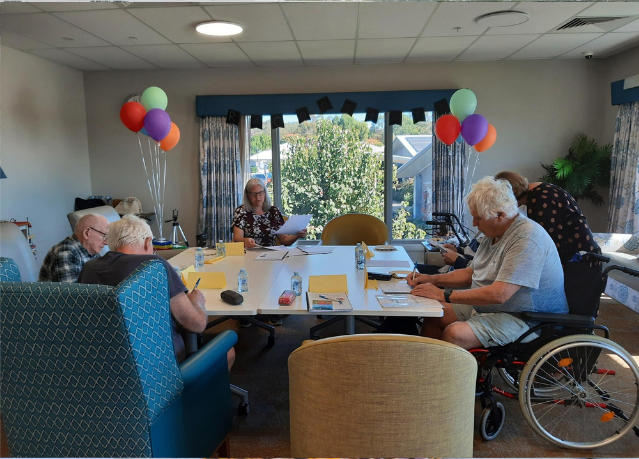
ReConnecTo pilot launches at BaptistCare
There’s a warm buzz as the residents greet each other at the ReConnecTo session. They help themselves to morning tea and discuss how they’ve implemented what they decided to try the previous week. There’s laughter when one participant describes their attempts to get up early to walk each morning.
- 21 Oct 2026
-
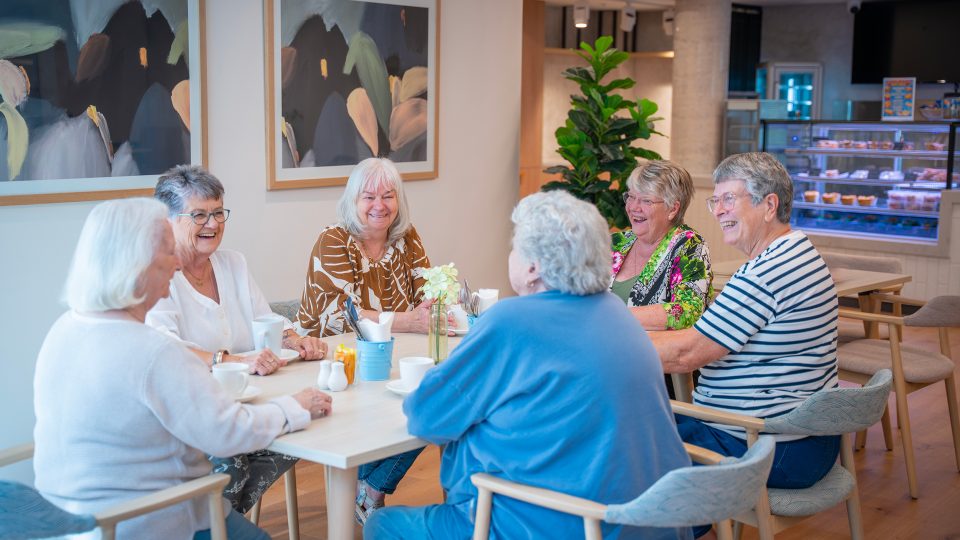
Exploring Peninsula View’s community hub
Where you live can shape how well you live - a truth that becomes only more apparent with age. At Peninsula View, a new retirement village at the gateway to the Mornington Peninsula, the existing community is experiencing this firsthand. Hear from current residents, and discover a relaxed, coastal lifestyle where friendships come easily and beautiful amenities are right on the doorstep.
- 15 Oct 2026
-
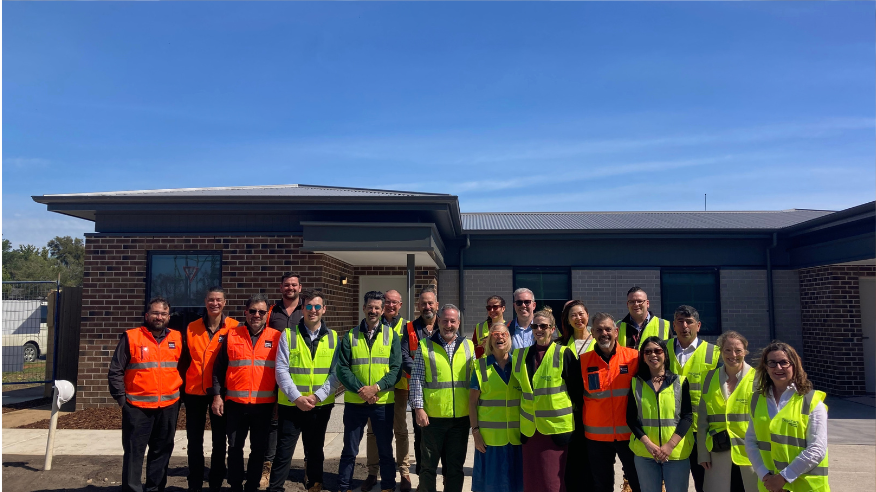
New social homes take shape in Melbourne's west
Forty-seven new social homes will soon welcome residents in Melbourne’s west, providing safe, stable and affordable housing for people in need.
- 05 Oct 2026