Food tips for people with dentures
- 30 Apr 2024
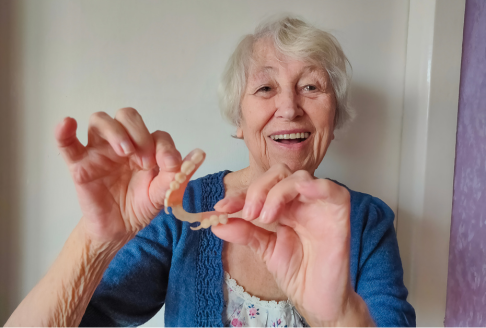
If you have dentures, you may feel apprehensive about eating some of your favourite foods, especially if they are chewy or require you to bite into them.
Here’s some tips to help you make the transition to eating with dentures easier. From some ideas for softer options to how to manage a gradual re-introduction to solid foods – we’ve got you covered.
Ease into solid foods
Take some time to get used to your new dentures and avoid rushing back into eating solid food straightaway. Start with softer food options and build your confidence before trying your favourite solid foods.
Eat healthy, soft foods
While it’s easy to feel overwhelmed by the list of foods you can’t eat when wearing dentures, it’s important to remember there are a lot of healthy and soft options you can still enjoy. For example:
- Soft, ripe fruit (bananas, mangoes, oranges, etc.)
- Steamed, boiled or roasted vegetables (broccoli, carrots, zucchini, sweet potatoes, etc.)
- Slow cooked or mince meats (ground beef, chicken, turkey, etc.)
- Smooth spreads and dips (hummus, cream cheese, guacamole, etc.)
Other soft foods you might like to eat include scrambled eggs, soups, broths and smoothies.
Exercise caution with hot foods and drinks
Keep in mind that hot foods and drinks can burn your mouth more easily when you have dentures because dentures can hinder your ability to gauge temperature effectively. Try to test the food or drink against your lips first, before you take a bite or sip.
Cut up your food and take small bites
To avoid putting excessive pressure on your dentures, cut up your food into smaller pieces. Taking small bites also helps distribute the force evenly and prevents discomfort. Chew slowly and deliberately across both sides of your mouth.
Some things to avoid …
Sticky hard foods like toffees, caramels, marshmallows, peanut butter and raisins can adhere to your dentures and dislodge them. Be careful with nuts and ice cubes which can put stress on your dentures and potentially cause damage to them.
Some last quick tips
Avoid using your front teeth to bite into food. Instead, focus on cutting up food into smaller pieces which you can put directly into your mouth, using your back teeth to chew.
Remember, proper care and maintenance of your dentures is essential to their longevity. Regularly clean them, remove them at night and visit your dental professional for adjustments and further advice as needed.
Community news
-

Exploring Peninsula View’s community hub
Where you live can shape how well you live - a truth that becomes only more apparent with age. At Peninsula View, a new retirement village at the gateway to the Mornington Peninsula, the existing community is experiencing this firsthand. Hear from current residents, and discover a relaxed, coastal lifestyle where friendships come easily and beautiful amenities are right on the doorstep.
- 15 Oct 2026
-

New social homes take shape in Melbourne's west
Forty-seven new social homes will soon welcome residents in Melbourne’s west, providing safe, stable and affordable housing for people in need.
- 05 Oct 2026
-

BaptistCare team member recognised at Tasmanian Disability Awards
Jonty Roberts has been recognised for making a meaningful difference in the community, taking home the Local Area Coordinator of the Year award at the 2026 Tasmanian Disability Awards.
- 24 Sep 2026