Nutritional information to help you manage your diabetes
- 16 Nov 2023
Key points:
- Diabetes is a condition characterised by an inability to control the amount of glucose in the blood, primarily due to issues with insulin
- There are two main types of diabetes – Type 1 and Type 2
- There can be long-term complications if diabetes isn’t managed (for example, cardiovascular disease such as hypertension)
- Ways to manage living with diabetes include regular exercise, a balanced diet, insulin management and a consultation with diabetes health professionals, maintaining a healthy weight, and regular/appropriate foot and eye care
- The Diabetes Plate Method is a simple tool to help plan balanced meals without the need for extensive calculations
What is diabetes?
When you eat foods that contain carbohydrates, your body digests the carbohydrates into sugar (glucose) that is then used as energy by the cells in your body. Diabetes is a condition that occurs when your body is unable to produce enough insulin.
A hormone called insulin is required to transfer glucose from the bloodstream to cells and be converted to energy. For individuals with diabetes, blood glucose levels are frequently above average because either the body does not create insulin (Type 1 diabetes) or cannot make enough insulin (Type 2 diabetes).
Type 1 diabetes
This form of diabetes is an autoimmune condition caused by the pancreas failing to supply insulin. People who have this condition require regular injections of insulin.
Type 2 diabetes
In this form of diabetes, the cells that convert glucose to energy in the body become insulin resistant It is diagnosed most commonly in both young and older adults. The risk is increased by family history, aging, prior gestational diabetes, pre-diabetes, being above healthy weight/obese and having an inactive lifestyle.
Common symptoms of Type 1 and Type 2 diabetes
Many of the symptoms of Type 1 and Type 2 diabetes are similar, however, they present in different ways. People with Type 2 diabetes may not present with symptoms for many years as their symptoms often develop slowly over a long period of time.
Both forms of diabetes can share the following short-term symptoms caused by high levels of glucose in the bloodstream:
- Passing large amounts of urine
- Being very thirsty and drinking lots of fluids
- Being tired
- Blurred vision
- Experiencing regular skin infections which can be slow to heal
- Unexpected weight loss
Long-term complications of diabetes if not managed
If diabetes is not managed carefully, the following significant long-term complications may arise:
- Heart and circulation issues
- Infections
- Kidney disease
- Eye problems, leading to being visually impaired
- Nerve damage to the lower limbs and other parts of the body
- Hyperglycemia: all adults with untreated diabetes are at risk of developing hyperglycemia which is a disorder of dangerously high blood glucose. Untreated and unaddressed hyperglycemia presents severe health risks which can involve a diabetic coma (ketoacidosis).
Ways to manage diabetes
- Regular physical activity
- Healthy and balanced diet
- Maintaining a healthy weight
- Insulin management: insulin users need to consider the timing, amount, and type of carbohydrate foods they eat, in addition to the timing, amount and type of insulin they take
- Regular blood glucose testing will assist you in managing your diabetes, but you should regularly consult with a diabetes health team
Healthy eating tips for people with diabetes
- Eat consistent meals and healthy snacks spread over the day
- Eat meals high in fiber, low GI carbohydrate foods i.e., wholegrain breads and cereals, beans, lentils, vegetables and fruits
- Examine the amount of fat you consume and reduce saturated fatty foods by opting for lean meats and healthy fats
- Remain in your healthy weight range
- Try to balance the amount of food you eat with the amount of energy you burn each day
- Nutrition Australia offers valuable resources to help you better understand the concept of energy derived from food and how best to maintain a healthy weight. They have also developed a budget-friendly eating guide for tips on promoting a nutritious diet while being mindful of your expenses.
The Diabetes Plate Method – an important tool in managing diabetes
The Diabetes Plate Method is a simple yet effective way to create healthy meals that can help manage your blood sugar. By using this method, you can create appropriate portioned meals with a healthy balance of vegetables, protein, and carbohydrates. Therefore, you do not need to do any counting, calculating, weighing, or measuring – all you need is a plate! Baker Heart & Diabetes Institute developed a portion plate guide, so you can use this to help you plan, prepare or when ordering a meal.
BaptistCare’s Allied Health Professionals are here to support you
At BaptistCare, we have skilled nursing and allied health professionals, who can support you to maintain your health, manage pain or chronic conditions supporting you to live more safely at home. Our community nursing and allied health services include nurses with diabetic management skills and podiatrists who can support foot care.
All services are flexible and can be purchased or you may be eligible through a government-funded Home Care Package. You can read more about how home care works on our website.
https://www.baptcare.org.au/why-baptcare/news/how-does-home-care-work
With thanks to BaptistCare’s Registered Nurse, Amita Sagar for her specialist input on this blog post.
Community news
-

BaptistCare team member recognised at Tasmanian Disability Awards
Jonty Roberts has been recognised for making a meaningful difference in the community, taking home the Local Area Coordinator of the Year award at the 2026 Tasmanian Disability Awards.
- 24 Sep 2026
-
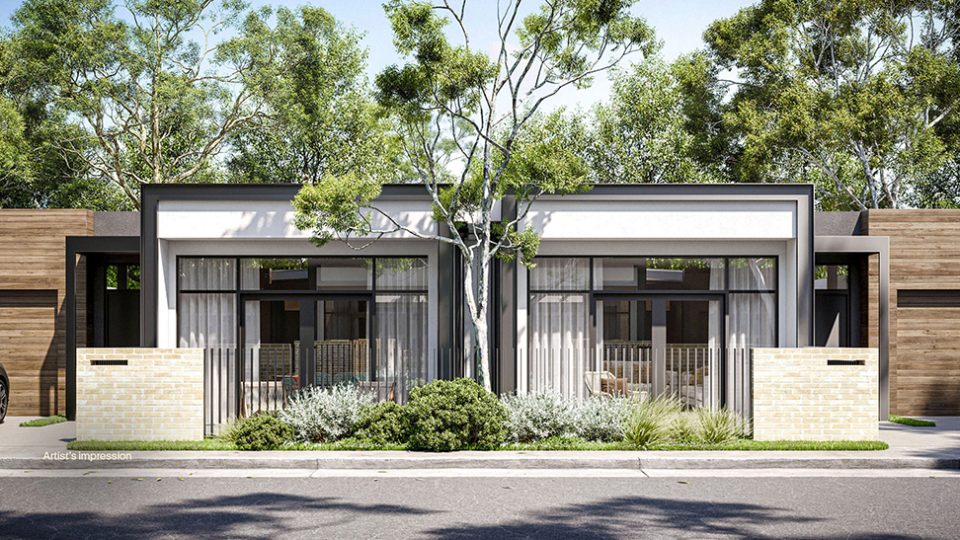
At Peninsula View, a retirement community sitting proudly at the gateway of the Mornington Peninsula, that quality detailing is no accident. Fifty-seven new two and three-bedroom villas are currently under construction, adding to the existing community - the result of years of design thinking from an architectural team with a long history with building retirement communities across Australia’s east coast.
- 07 Sep 2026